
Emergency Plumbing · Twickenham, London
Leak Detection & Repair in Twickenham, London
A hidden leak in Twickenham, St Margarets, Whitton or Teddington rarely announces itself with a puddle — it's the water bill that's crept up for two quarters running, a patch of damp that won't dry out, or a boiler that keeps losing pressure with no obvious cause. The detection visits we coordinate across the area use acoustic and damp-tracing methods, so the source gets found before anything is opened up.
The town's housing splits the leak risk two ways. Georgian riverside mansions and Victorian terraces through Twickenham, St Margarets and Teddington still commonly run original copper, and in the oldest riverside properties, legacy galvanised or even lead supply — both of which fail at joints and bends first, slowly rather than suddenly. Add a genuinely high water table on the low-lying streets nearest the tidal Thames, and a hidden leak can be mistaken for rising damp until someone actually traces it.
A typical detection visit takes one to two hours and pinpoints the leak's rough location without opening a wall first. Every visit comes with a written estimate for the repair itself before any cutting starts — no exploratory demolition billed as guesswork.
If your water bill has climbed without an obvious reason, or a damp patch keeps returning after redecorating, call 07863 747828 for a detection visit. If water is actively escaping right now, that's an emergency plumbing call instead.
What We Do
Our Leak Detection & Repair Services
Acoustic and damp-tracing detection find a leak's location before anything gets opened up — the repair only starts once the cause is confirmed.
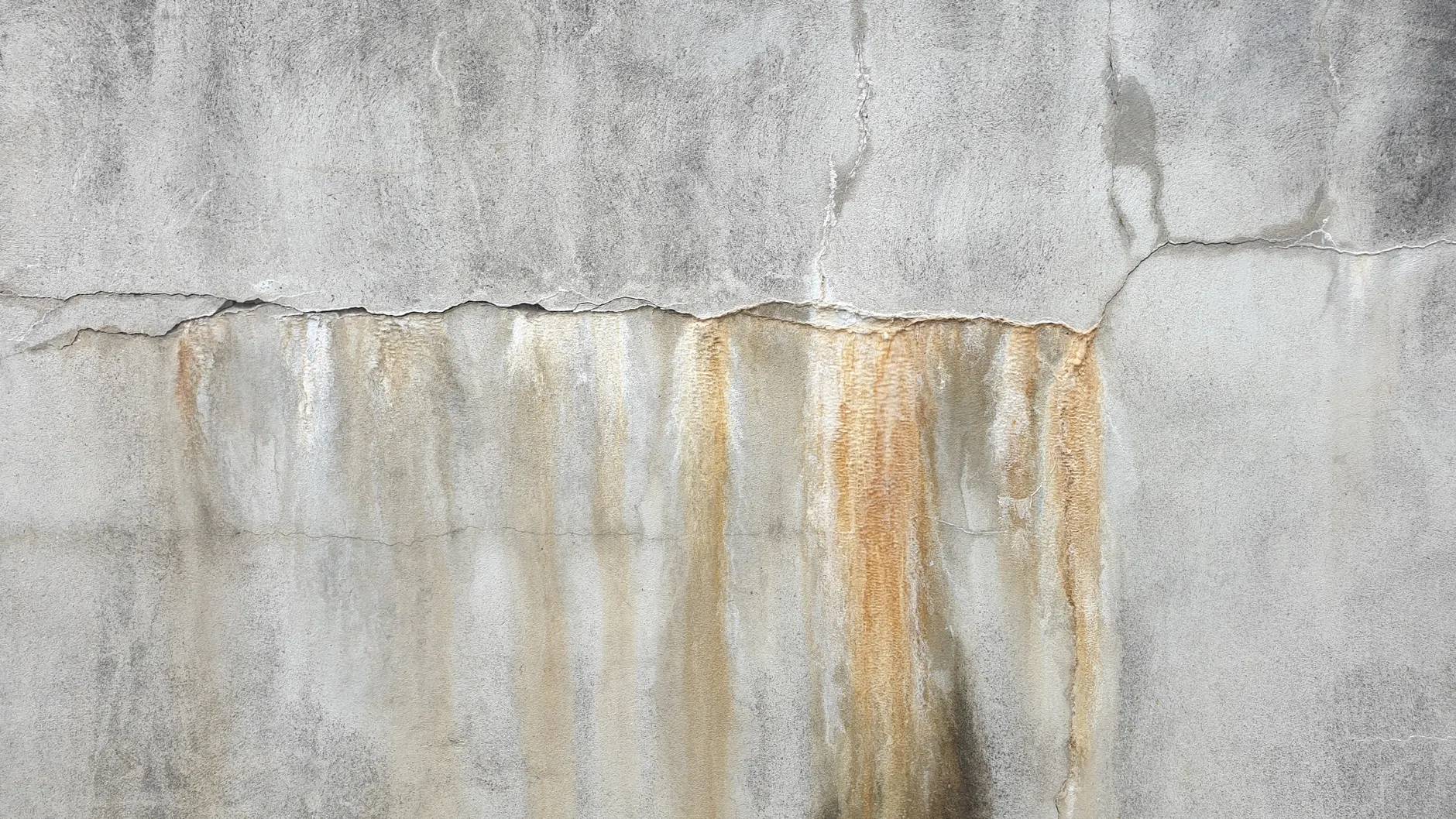
Acoustic & Damp-Tracing Detection
Acoustic listening equipment picks up the sound of water escaping under pressure through floors, walls and slabs, while damp-tracing narrows down a leak that's showing as a stain or a soft patch rather than an audible one. Combining both usually pinpoints a leak's location to within a small area before anything gets opened up.
This matters most in Georgian and Victorian riverside houses near Marble Hill and Strawberry Hill, where original pipework runs behind solid walls with no cavity to make tracing straightforward.
Pinhole & Joint Leak Repair
Ageing copper fails at joints and bends first, and in the oldest riverside properties, legacy galvanised or lead supply runs corrode from the inside long before a pinhole finally shows through. Once the leak's located, the repair targets that specific section rather than replacing a whole run unnecessarily.
Where a supply pipe is genuinely at the end of its life rather than one isolated failure, we'll say so honestly rather than patching a section that's likely to fail again nearby within the year.

Slow Leaks Behind Boilers & Cylinders
A boiler or cylinder that keeps losing pressure with no visible cause is often a slow leak somewhere in the system rather than a fault with the appliance itself — a joint weeping behind a panel, or a pipe run under a floor. See boiler & hot water repair for how the two connect once the leak's traced.
We check the supply pipework as standard whenever a boiler's pressure keeps dropping, rather than just topping it up and sending someone away with the same problem.
The Benefits
Why Find It Before You Cut
Tracing a leak precisely, rather than guessing where to open a wall, protects the property as much as it fixes the pipe.
One Small Hole Instead of a Torn-Out Wall
Tracing a leak precisely before repair means the hole opened to fix it is the smallest one that does the job, not a length of wall or floor removed on a guess. That matters most in period properties where original plaster, skirting and flooring are worth protecting, and in riverside houses where matching old materials afterward isn't simple.
Written Pricing Before Any Cutting Starts
Leak detection and repair across Twickenham, St Margarets, Whitton and Teddington typically runs £150–£450 depending on the leak's location and how much pipework needs replacing. That figure is confirmed in writing once the leak's actually been found, not offered as a guess before anyone's looked.
Built to the Regulations That Cover Water Safety
Repair work is carried out to the Water Supply (Water Fittings) Regulations 1999, the standard that governs materials and workmanship on the UK mains supply, whether the repair is one joint or a full section of re-pipe. That consistency applies equally to a Georgian riverside house and a 1930s Whitton semi.
Why Us
Why Twickenham, St Margarets, Whitton & Teddington Trust Us to Find It
Where the water actually goes in these four towns is rarely where it shows, and finding it starts with the tidal line and the age of the house.
We Know the Tidal Line
Teddington Lock, built in 1811, marks the exact point the Thames stops being tidal, so we know which riverside addresses in East Teddington, St Margarets and Eel Pie Island genuinely sit in a high-water-table area where damp can be mistaken for a leak — and which streets up towards Bushy Park don't share that risk at all.
We Know Which Housing Era We're Walking Into
Georgian mansions and Victorian terraces on original copper and, in the oldest riverside houses, legacy lead or galvanised supply, against Whitton's 1930s semis on a completely different pipework generation — each fails differently and traces differently. Knowing the era before we start listening narrows down where to look first.
Coordinated With the Rest of Your Plumbing
A traced leak sometimes surfaces a wider issue — pipework old enough that a full re-pipe makes more sense than a repeated patch, or a boiler pressure problem covered under boiler & hot water repair. See our full services for how everything connects once the leak's found.
For everything else we cover — emergency plumbing, blocked drains, boiler & hot water repair and bathroom installation — see our services. Leak detection covers Teddington and St Margarets on the same terms as the rest of the service area.
Frequently Asked Questions
How do I know if I have a hidden leak?
The most common signs are a water bill that's risen over two consecutive quarters with no change in use, a damp patch or musty smell that keeps returning after redecorating, and a boiler or cylinder that keeps losing pressure with no obvious cause. A hissing sound behind a wall, or a warm patch on flooring above a hot-water pipe, can also point to a leak. If any of these sound familiar, a detection visit typically takes one to two hours and gives you a clear answer rather than a guess.
How much does leak detection cost in Twickenham?
Detection and repair together typically run £150–£450, depending on where the leak is, how accessible it is, and how much pipework needs replacing once it's found. A straightforward joint repair in an accessible spot sits toward the lower end; a leak behind a solid wall in a Georgian riverside house or one requiring a longer section of re-pipe sits higher. You get a written estimate once the leak's actually located, not a guess before anyone's looked.
Why do old riverside houses in Twickenham leak more than newer properties?
Georgian and Victorian riverside houses near Marble Hill and Strawberry Hill still commonly run original copper pipework, and in the oldest properties, legacy galvanised or even lead supply runs that corrode from the inside over decades. Both fail at joints and bends first, slowly rather than suddenly, which is exactly the pattern that produces a hidden leak rather than an obvious burst. A newer conversion or flat, with modern plastic or copper pipework installed to current standards, simply hasn't had the decades needed to develop the same failure points yet.
Can a leak really be mistaken for rising damp?
Yes, particularly on the low-lying streets closest to the tidal Thames in St Margarets, Eel Pie Island and East Teddington, where a genuinely high water table can produce damp symptoms that look identical to a slow pipe leak without proper tracing. Getting this wrong means treating the wrong problem entirely — damp-proofing work does nothing for an actual leak, and vice versa. Acoustic and damp-tracing detection distinguishes between the two before any remedial work is quoted, which saves money on the wrong fix.
Do you need to cut open my wall to find a leak?
Not to find it — acoustic and damp-tracing equipment locates a leak's approximate position without opening anything first, and the only cutting done is the small, targeted opening needed for the actual repair once the location's confirmed. This matters most in period properties around Twickenham and St Margarets where original plaster and flooring are worth protecting. We'll show you where we believe the leak is and why before agreeing to open anything up.
My boiler keeps losing pressure — could that be a hidden leak?
It's one of the most common causes we see, alongside a genuinely faulty pressure valve or expansion vessel, and it's worth checking the pipework before assuming the boiler itself is at fault. A slow leak somewhere in the system — a weeping joint behind a panel, or a pipe run under a floor — can drop pressure gradually enough that it's easy to just keep topping it up rather than tracing the actual cause. See boiler & hot water repair for how we check both together on the same visit.
How long does it take to find a leak?
A typical acoustic and damp-tracing detection visit takes one to two hours on site, though a leak behind particularly thick period walls in a Georgian riverside house can take longer to pinpoint precisely. Once located, the repair itself is usually quoted and often completed the same day if parts are straightforward, or scheduled separately if the repair turns out to be more extensive than expected. We'll always give you a realistic timeline once the leak's actually found rather than guessing beforehand.
What's the difference between a leak repair and a full re-pipe?
A leak repair targets the specific failed section — a joint, a length of corroded pipe — and leaves the rest of the run in place if it's otherwise sound. A full re-pipe replaces an entire supply run, usually recommended where the pipework is old enough, or has failed often enough, that patching one section just means the next failure is a matter of time rather than chance. We'll give you an honest read on which situation your property is in, particularly relevant for the oldest riverside houses still on original or part-replaced pipework.
Is a leak an emergency, or can it wait for a scheduled visit?
If water is actively escaping and visible — coming through a ceiling, pooling on a floor — that's treated as an emergency under emergency plumbing and gets an immediate response. A slow leak you've only noticed through a rising water bill, a persistent damp patch, or a boiler that gradually loses pressure can typically wait for a scheduled detection visit within a day or two without getting worse in that window. If you're unsure which category applies, call and describe what you're seeing — that's usually enough to tell.
Does hard water make leaks worse in this area?
Indirectly, yes — Thames Water's hard supply scales up the inside of pipework over years, and while scale itself doesn't cause a leak, it can mask early symptoms like reduced flow that would otherwise prompt someone to investigate sooner. It also means a joint or valve already weakened by corrosion has to work harder against reduced flow, which can accelerate the point of failure. We factor the region's hard water into how we read symptoms during detection, not just into boiler diagnosis.
Do you cover leak detection on Eel Pie Island and other harder-to-reach addresses?
Yes — Eel Pie Island's homes, reached only by footbridge, get the same acoustic and damp-tracing detection as anywhere else in the service area, with equipment carried across rather than driven to the door. The same applies to some of the narrower riverside lanes in St Margarets and East Teddington. It adds a little time to the visit but makes no difference to how thoroughly the leak's traced or how the written estimate is prepared afterward.

Find the Leak Before It Costs More
Acoustic and damp-tracing detection, written estimate before any cutting. Call 07863 747828.
07863 747828