
Emergency Plumbing · Twickenham, London
Boiler & Hot Water Repair in Twickenham, London
Thames Water supplies every property in Twickenham, St Margarets, Whitton and Teddington with water it classifies as hard on its own scale — 200–300 mg/l of calcium carbonate counts as 'hard', anything above that as 'very hard' — and that single fact does more damage to boilers and cylinders here than almost anything else combined.
Scale doesn't fail a boiler overnight. It creeps across a heat exchanger, wraps around an immersion element, and lines a cylinder coil year after year, quietly stealing efficiency long before a breakdown actually happens — hot water that used to last twenty minutes now giving out in eight, a boiler firing harder for the same result. No hot water at all is usually the final stage of a process that's been running for years, not a sudden event.
Nowhere shows this more clearly than Whitton, filled in fast with 1930s semis once the station on Percy Road opened that year — houses that often still carry their original cylinder, never once flushed since installation. Twickenham, St Margarets and Teddington's older stock tells the same story in Victorian and Edwardian form; the water doesn't care which conservation area a house sits in.
Anything gas-related on a boiler is carried out to the Gas Safety (Installation and Use) Regulations 1998, the statutory standard that governs gas appliance work throughout the UK — a standard the work is measured against, not a badge we claim. No heat, no hot water, or a combi that keeps losing pressure for no obvious reason — call 07863 747828.
What We Do
Our Boiler & Hot Water Services
From a combi losing pressure to a cylinder that's stopped heating, the starting point is always the same — work out whether scale, a failed part, or both, is the cause.
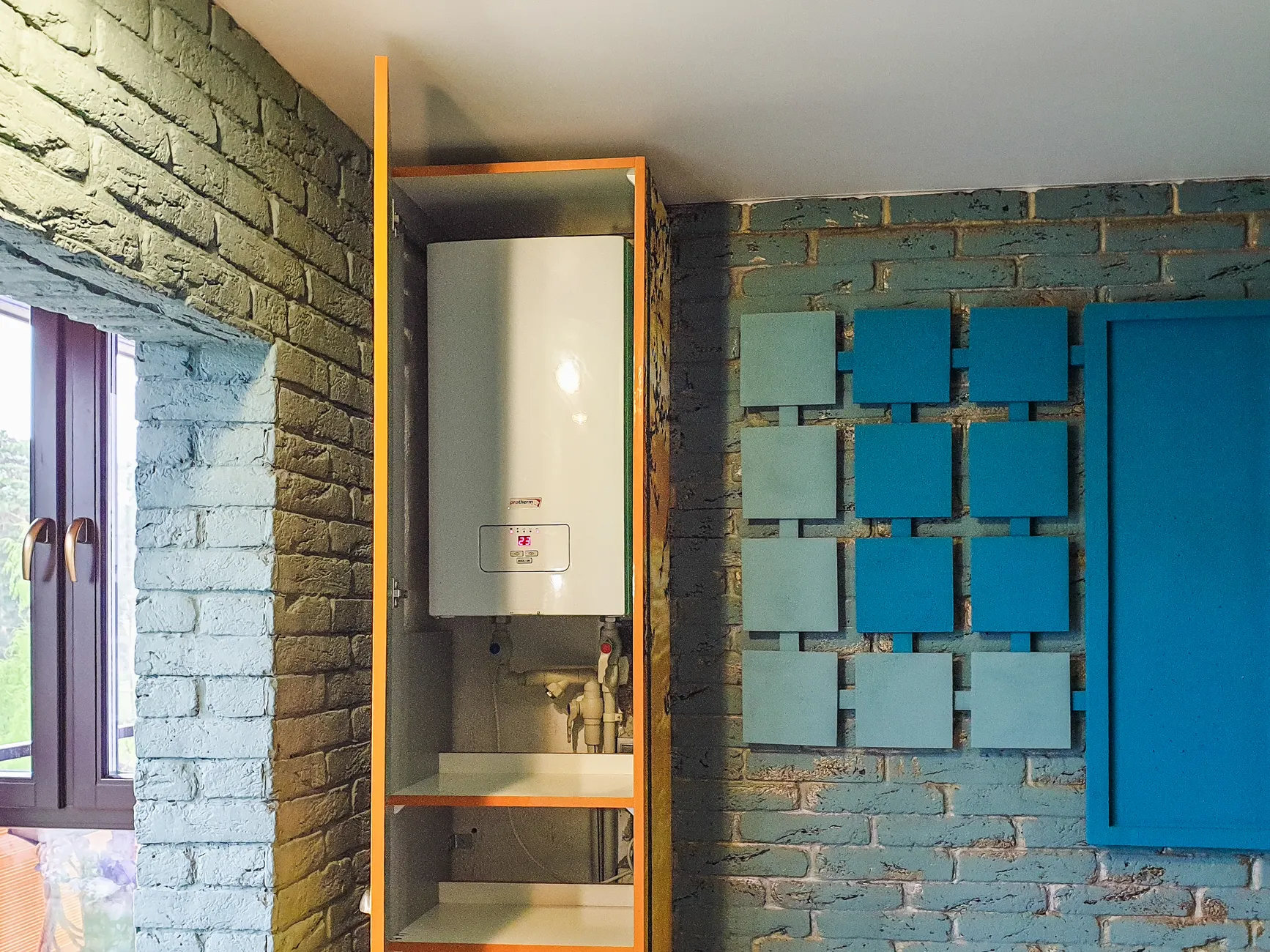
Combi & System Boiler Faults
No heat, hot water that won't come, a pressure gauge that keeps dropping, an error code flashing up — across Twickenham and Whitton these usually trace back to years of scale wearing at internal parts rather than one component simply giving out at random. The fault code and a look at the exchanger and pump come before any part gets swapped.
Combis, heating water as it's needed with no separate tank, dominate Twickenham's newer conversions; Whitton's older, unmodernised semis are far more likely to still be running a system boiler paired with a separate cylinder.
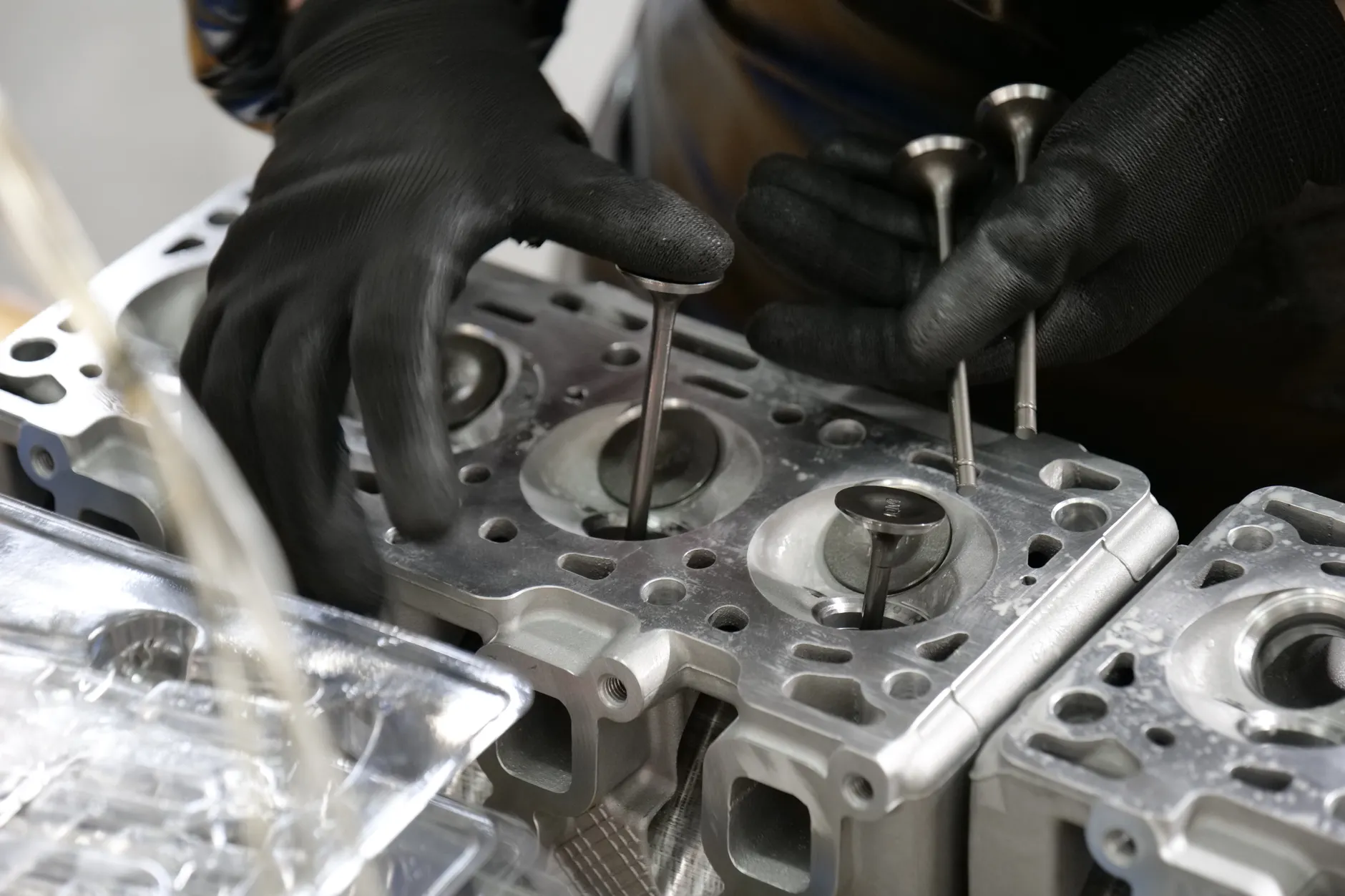
Cylinders & Immersion Heaters
A cylinder taking longer and longer to heat, or an immersion that keeps tripping the electrics, is scale more often than a genuine component fault — the coil or element gradually working through a build-up that's been accumulating for years. Checking the coil and element condition comes before anyone talks about replacing the cylinder.
The original airing-cupboard cylinders sitting in Whitton's interwar semis and Teddington's Victorian terraces are where this exact fault shows up most consistently.
Power Flushing
Forcing cleaning fluid through the whole heating system under pressure strips years of accumulated scale and sludge out of radiators, pipework and the boiler's own heat exchanger — genuinely the single most useful thing an older, never-flushed system can have done to it. It's rarely a cosmetic fix; it's usually what a system on hard water has been missing since installation.
We'll run it on its own or fold it into a repair visit, since flushing straight after a repair stops fresh scale quietly undoing the fix within the year.
The Benefits
Why Fix the Cause, Not Just the Symptom
Replacing a part without addressing the scale that likely caused it to fail buys a shorter fix than it should.
Scale Gets Checked Before Parts Get Quoted
A cracked exchanger or a seized pump might well need replacing, but if scale is what wore it out early, a straight swap just resets the same countdown. Checking for scale build-up happens on every callout across the whole area as a matter of course, because it changes what the correct fix actually looks like.
A Number in Writing, Not a Guess Over the Phone
Boiler repairs across the service area typically fall between £120 and £500 depending on the fault and the parts it needs, and a full power flush usually runs £300–£700. Both get confirmed in writing once we've actually seen what's wrong, never estimated blind before anyone's opened the casing.
Gas Work Meets the Regulations, Full Stop
Any gas-related element of a boiler repair follows the Gas Safety (Installation and Use) Regulations 1998, the UK's statutory framework for gas appliance work, alongside whatever the manufacturer specifies for that particular unit. That applies to every job, not as something advertised but as the baseline it's built to.
Why Us
Reading This Area's Boilers by Housing Era
Hard water takes boilers down differently in every kind of housing this area has, and each era tends to throw up its own fault first.
Whitton's Interwar Semis, Known in Advance
The bay-fronted semis that filled Whitton once Percy Road station opened in 1930 tend to still run their original or first-replacement cylinder, most never flushed in decades. Old cylinder plus hard water plus time is one of the most reliably predictable fault patterns going, and knowing it up front cuts diagnosis time significantly.
One Water Supply, One Diagnosis, Every Address
Thames Water doesn't vary its hard-water supply by postcode, so a Georgian house near Marble Hill and a Whitton semi start from exactly the same assumption when a boiler fault comes in. The housing era changes what we expect to find; the underlying cause rarely does.
It's Rarely Just the Boiler
A cylinder losing pressure can point straight at a leak elsewhere in the system — that's leak detection — and a re-pipe sometimes runs alongside a full bathroom installation rather than as its own separate job. Our full services shows how the pieces usually connect.
The rest of what we cover — emergency plumbing, blocked drains, leak detection and bathroom installation — sits under our services. Boiler and hot-water work reaches Whitton and St Margarets on the same terms as everywhere else we cover.
Frequently Asked Questions
Why is hard water such a big deal for boilers in Twickenham specifically?
Thames Water's entire supply area is classified hard on its own scale — 200–300 mg/l calcium carbonate counts as hard, and anything past that as very hard — with no postcode inside the region getting a softer supply. That means every combi, cylinder and immersion heater in Twickenham, St Margarets, Whitton and Teddington is exposed to the same scale-forming water from the day it's first installed. It's the background cause behind more boiler breakdowns here than any single mechanical fault we see.
How do I know if limescale is actually the problem with my boiler?
Watch for a boiler running noisier than it used to, hot water taking longer to arrive or running out sooner, and a creeping rise in the energy needed for the same amount of hot water. A pressure gauge that won't hold steady, or an error code pointing at flow or the exchanger, often means scale is physically restricting movement inside the system. We check for it directly during diagnosis rather than reading symptoms alone, since it's frequently invisible until it's already fairly advanced.
What's a power flush, and do I actually need one?
It's cleaning fluid forced through the entire heating system under pressure, stripping accumulated scale and sludge out of radiators, pipework and the boiler itself. If yours has never had one and it's been running for more than a few years on Thames Water's hard supply, some level of scale build-up is close to guaranteed — especially in Whitton's older interwar stock. It's usually worth doing whenever a radiator's cold at the bottom while warm at the top, or a boiler seems to be working harder than the output it's producing justifies.
How much does boiler repair cost in Twickenham?
Repairs generally land between £120 and £500 depending on what's actually wrong and which parts it needs, and a full system power flush typically runs £300–£700. Both numbers get confirmed in writing only once the actual fault's been diagnosed — never guessed over the phone before anyone's looked. A simple part swap sits at the lower end; anything involving heavy scale removal or an awkward-to-reach component pushes it higher.
Should I repair my old boiler or replace it?
It comes down to age, how much scale damage has already accumulated, and whether the current fault is a one-off or a sign the whole system's on its way out — we'll tell you honestly which side of that line yours sits on rather than steering you toward whichever earns more. A single failed part on a boiler under ten years old is nearly always worth fixing; a third repair inside a few years generally isn't. This decision comes up especially often with Whitton's original 1930s cylinders that have gone decades without a flush.
What's the difference between a combi boiler and a system boiler with a cylinder?
A combi heats water straight from the mains as it's needed, with no separate tank or cylinder anywhere in the house — common in Twickenham's newer conversions and flats. A system boiler heats water that then sits in a dedicated cylinder, usually up in an airing cupboard, which shows up far more in Whitton and Teddington's older interwar and Victorian houses. Both sit under the same hard-water threat, but they fail at different points — a combi at its heat exchanger, a cylinder at its coil or immersion element.
My hot water cylinder is slow to heat up — what's wrong?
In this area it's almost always limescale coating the cylinder's heating coil or wrapping the immersion element, insulating it from the water it's meant to be warming and forcing it to work far harder for the same outcome. Older, never-flushed cylinders in Whitton's interwar semis and Teddington's Victorian terraces show this fault more than anywhere else in the service area. We check the coil and element directly rather than jumping straight to recommending a replacement cylinder.
What standard is gas work on my boiler carried out to?
Every gas-related element of a boiler or gas-fired cylinder repair follows the Gas Safety (Installation and Use) Regulations 1998, the statutory UK framework governing gas appliance work in homes, alongside the manufacturer's own service specification for that particular unit. That's the baseline for every callout across Twickenham, St Margarets, Whitton and Teddington, whatever the boiler's age or make. It covers everything from flue routing and ventilation through to how the appliance gets tested and signed off once the work's finished.
Can a power flush be done alongside a repair, or does it need a separate visit?
Usually the same visit, and it's often the sensible choice — flushing straight after fixing the immediate fault clears out scale that likely contributed to it failing in the first place, cutting the odds of a repeat call within the year. Whether it makes sense on the day depends on how much scale is visible once the system's actually open, which we can generally judge on site. One visit means one call-out and one written number instead of booking a second job in separately later.
Does a new boiler still need protecting from hard water, or is that only an old-boiler problem?
A brand-new boiler starts scaling from its very first day on Thames Water's hard supply, exactly like an old one did — so protection has to be part of the installation, not something added later once a fault's already appeared. Manufacturers generally expect some form of water treatment as part of a properly installed system on hard water, and leaving it out is one of the more common reasons a new boiler underperforms well before it should. Every new installation we do factors that in from the outset.
Why do Whitton's boilers seem to fail differently to Twickenham's riverside houses?
Whitton is overwhelmingly 1930s interwar semis that went up fast once Percy Road station opened in 1930, most still on an original or early-replacement cylinder that's rarely if ever been flushed — a fairly consistent, single-era fault pattern. Twickenham's riverside mixes Georgian mansions, Victorian terraces and newer conversions, so boiler types and pipework ages vary more, and diagnosis leans harder on a property's individual history than its era alone. Both sides of the area sit on the same Thames Water hard supply though, so however the fault presents, scale is usually somewhere underneath it.
A Proper Diagnosis, Not a Guess
Scale checked first, a written number before any part's replaced. Call 07863 747828.
07863 747828