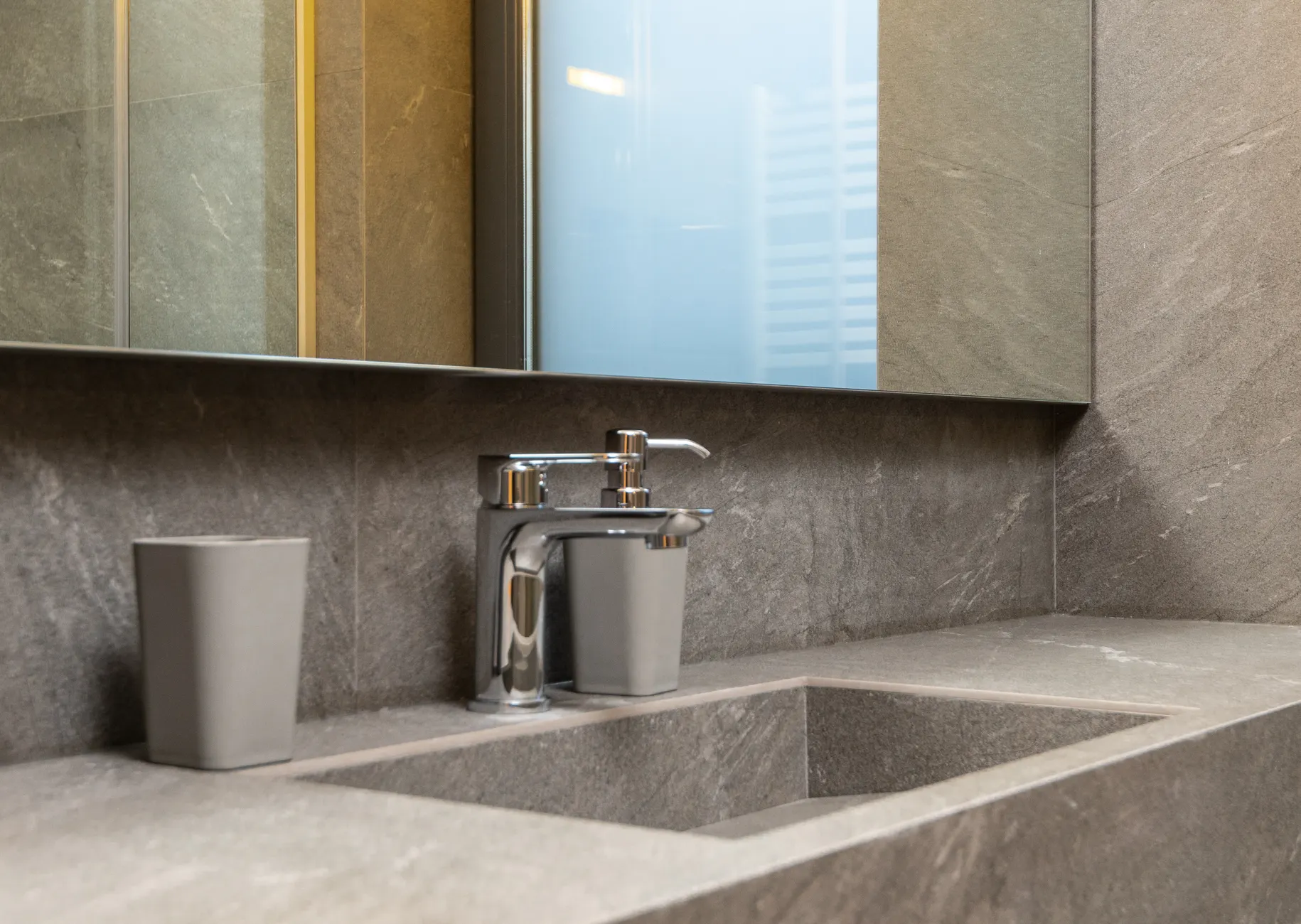
Emergency Plumbing · Twickenham, London
Bathroom Installation in Twickenham, London
What's hidden behind the tiles in a bathroom installation usually matters more than what's visible on top of them — the pipework, the waste routing, the electrics near a shower. The bathrooms we coordinate run right across Twickenham, St Margarets, Whitton and Teddington, from Georgian and Victorian houses with decades-old pipework still buried in the walls to newer conversions built from a completely clean shell.
St Margarets shows the contrast most clearly of anywhere in the area. It's one of the country's earliest garden suburbs, laid out from 1854, so Victorian and Edwardian houses still dominate the streets, and a large share of the neighbourhood sits inside the St Margarets Estate Conservation Area, designated back in 1971. That doesn't rule out a bathroom installation, but anything visible from outside — a new soil pipe, an extractor vent through an external wall, a rooflight for a loft bathroom — can need Richmond Council's consent first, and we check that at quote stage rather than letting it surface once work's already begun.
Building Regulations Part G governs sanitation, hot-water safety and water efficiency on every installation we do; Part P covers any electrical work near water. WRAS-approved fittings go in throughout — every tap, valve and fitting used has been through the Water Regulations Advisory Scheme's approval process for the UK mains supply. And Thames Water's hard water gets factored into the spec itself, because a fitting chosen without it in mind wears out faster than it should here.
A like-for-like refit or a full wet-room conversion with a level, step-free floor — either way, the price and the scope get agreed before a single fitting comes out. Call 07863 747828 for a quote.
What We Do
Our Bathroom & Wet-Room Installation Services
From a like-for-like refit to a full wet-room, every installation starts with the pipework and waste routing, not the tile choice.
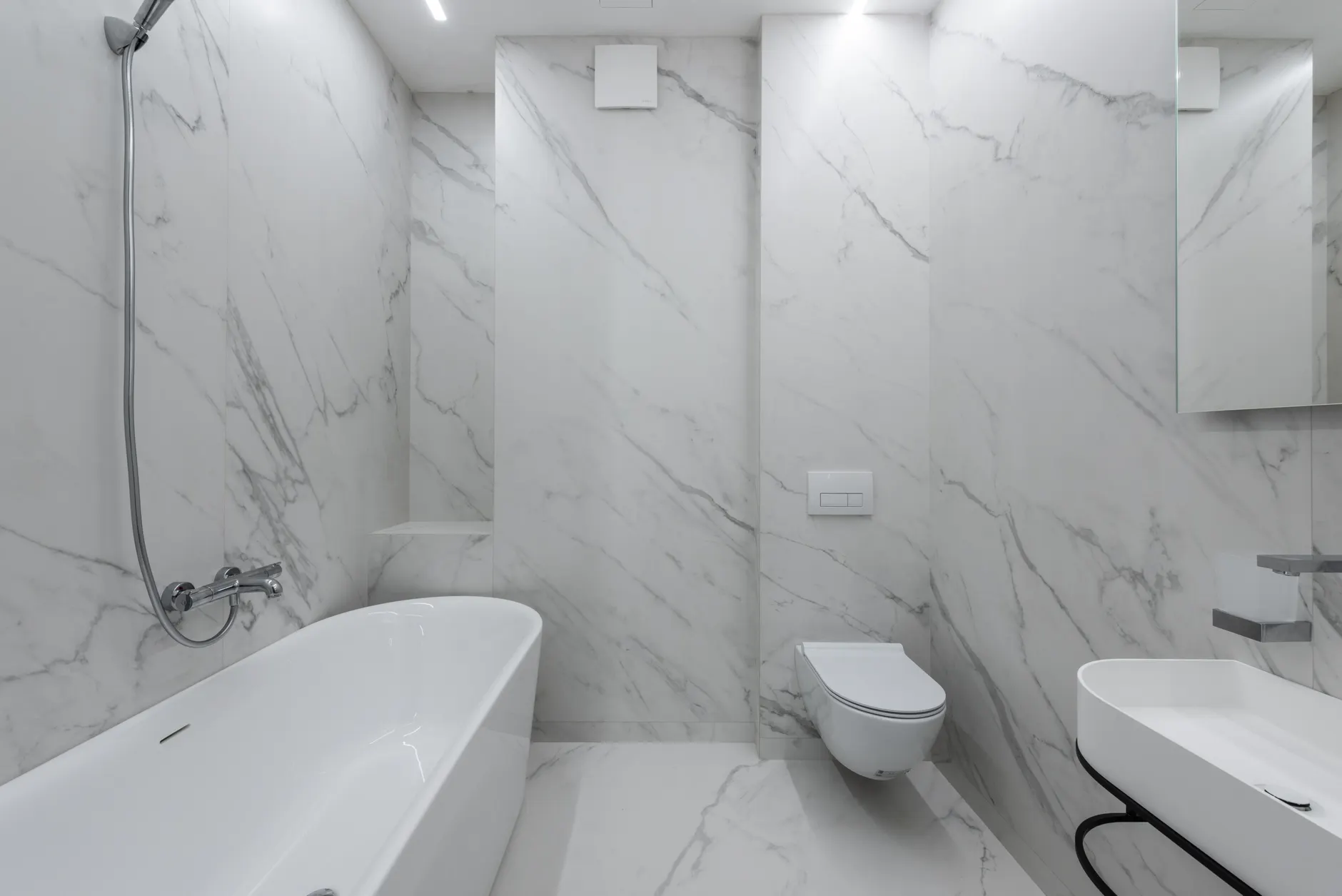
Full Bathroom Installation
A complete job runs from first-fix pipework and waste routing all the way through to fitting the bath, toilet, basin and shower, whether that's refitting an existing layout or building a new one from scratch. In St Margarets and Twickenham's Victorian terraces the first step is always working out what original pipework can stay and what's genuinely due for replacement.
Newer flats and conversions start from a clean first-fix shell with nothing legacy to route around, but they're held to exactly the same Part G and WRAS-approved standards regardless.
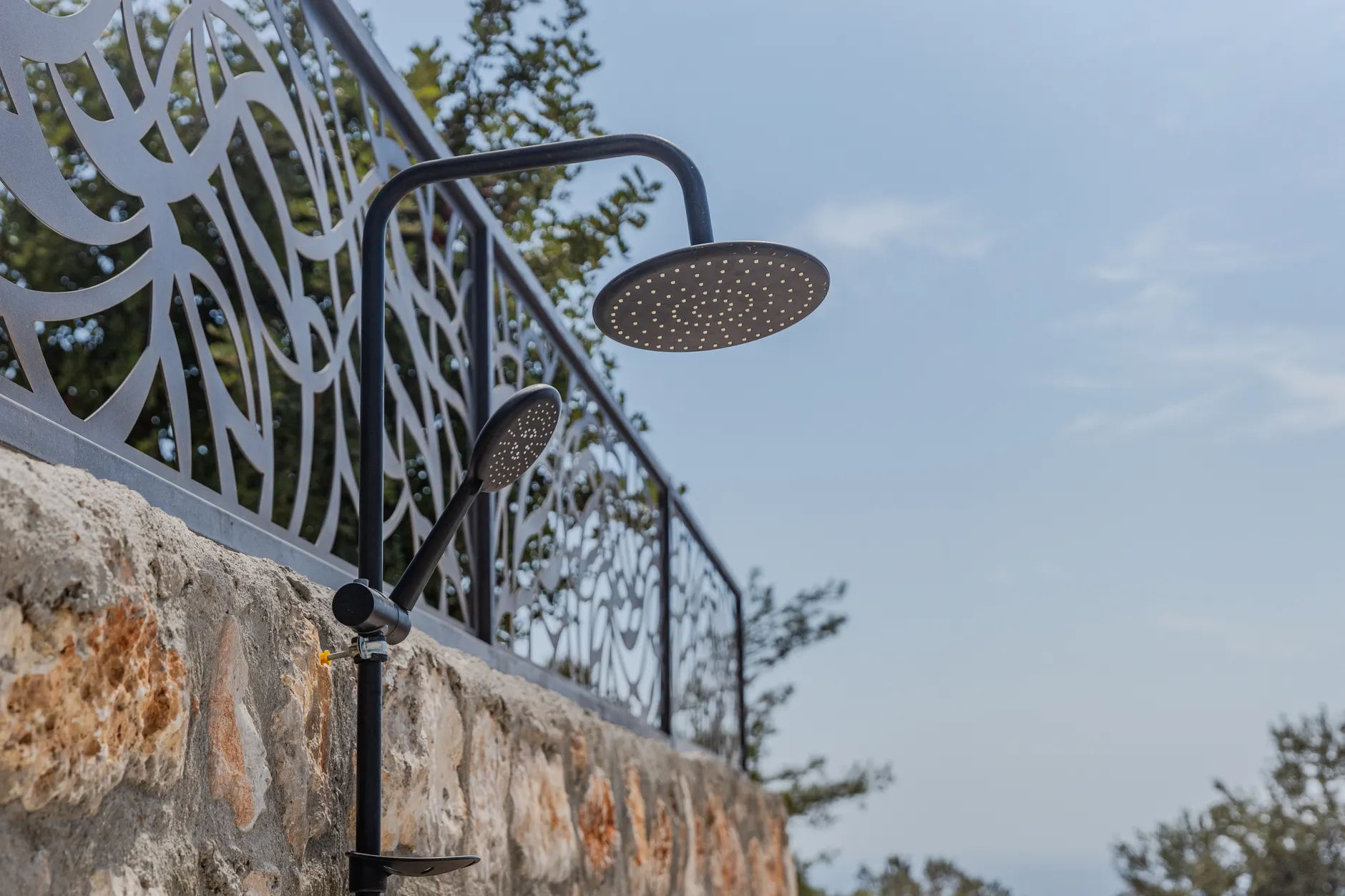
Wet-Room Conversion
Swapping a stepped enclosure for a level, fully tanked floor that drains straight through needs precisely built falls in the subfloor and a tanking layer that's genuinely watertight before a single tile is laid. Get the fall or the drainage wrong and the result is a wet-room that leaks months down the line, not immediately.
It's a particularly popular choice in older Twickenham and Teddington properties trying to modernise a small or awkwardly shaped bathroom without extending the footprint.
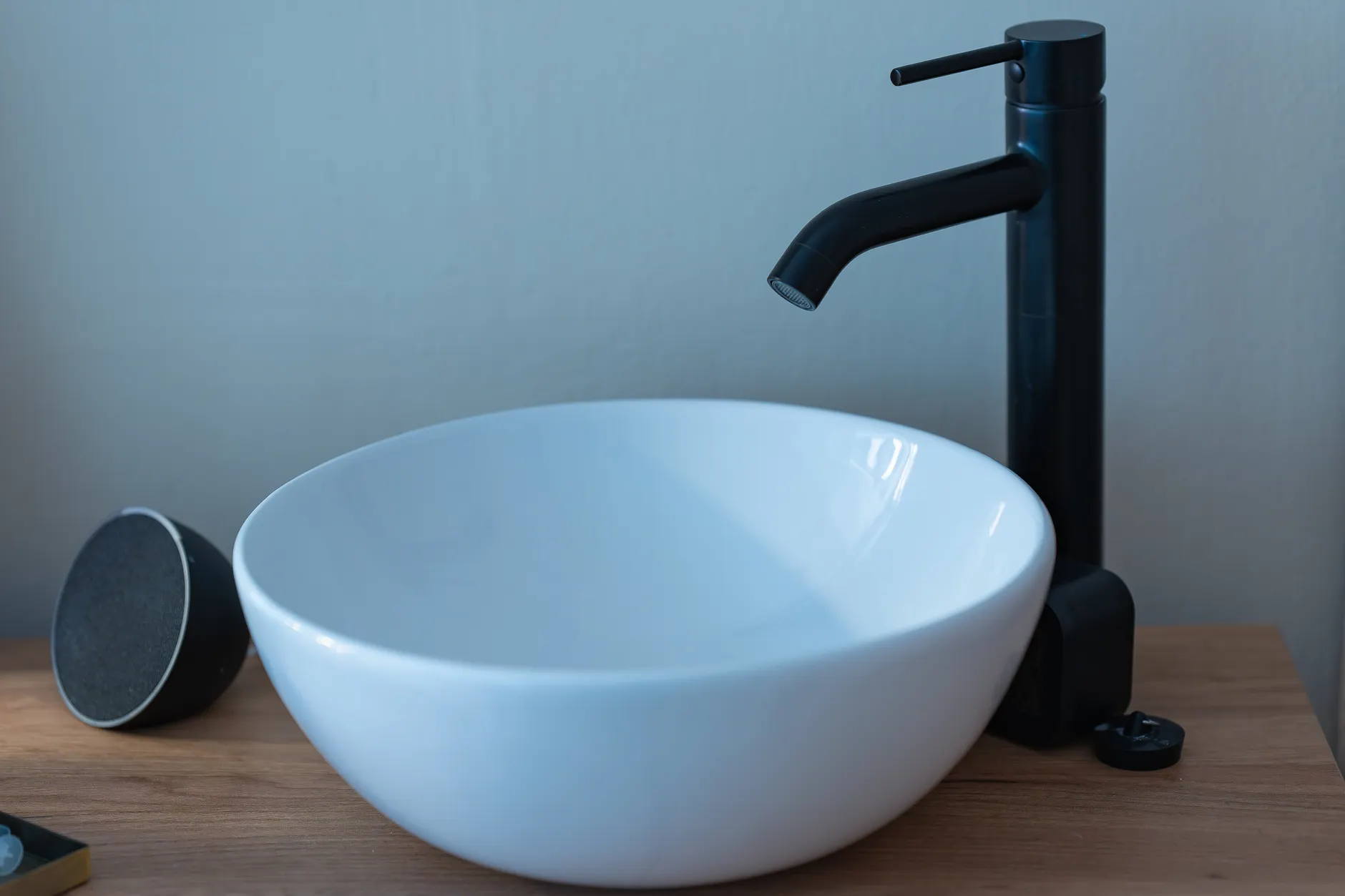
Fixture & Fitting Replacement
A full strip-out isn't always necessary — sometimes a bath, basin, toilet or shower valve on its own has simply worn out while the pipework and waste behind it are still perfectly sound. It's especially common with shower valves and taps aged early by Thames Water's hard supply.
We'll say plainly whether a partial swap makes sense or whether the pipework's age means a fuller installation is genuinely the better long-term choice.
The Benefits
Why the Standards Matter as Much as the Tiling
A bathroom that looks finished on day one and a bathroom that's still sound in ten years come down to what's behind the surfaces, not what's visible on it.
Part G and Part P Aren't Just Ticked Off
Part G covers sanitation, hot-water safety and water efficiency; Part P covers electrical safety for anything installed near water — both apply to every bathroom job regardless of how simple it looks on paper. Meeting them properly, rather than just producing a room that looks finished, is what actually determines whether the installation lasts.
Every Fitting Is WRAS-Approved
Every tap, valve and fitting we use has passed the Water Regulations Advisory Scheme's approval process for the UK mains supply — the standard governing what's actually safe to connect to it. That's specified on every job across the whole area as a default, not an upgrade offered only when someone asks.
A Written Number Before Anything's Removed
A full installation across the service area typically runs £3,000–£8,000 or more, depending on scope, the fittings chosen and whether pipework needs rerouting. That figure is confirmed in writing once the scope's agreed — never left as a vague estimate that shifts once the job's already underway.
Why Us
Why This Area Keeps Choosing Us to Fit Their Bathroom
Bathroom installation here spans every kind of housing the area has, from Georgian riverside houses to 1930s Whitton semis, and each one needs a different starting plan.
Conservation-Area Consent, Handled Upfront
A significant part of St Margarets sits inside the St Margarets Estate Conservation Area, designated in 1971, where an external change — a new vent, a different soil-pipe route — can need Richmond Council's sign-off before anything starts. That gets checked and flagged at quote stage, never discovered halfway through a job on a period address.
Old Pipework or a Clean Shell, Same Standard of Finish
St Margarets and Twickenham run the full spread — Georgian and Victorian houses on original pipework right through to newer conversions with a blank first-fix shell — two starting points that need entirely different approaches but the same finished standard. Knowing which one a property is before quoting is how the price ends up right the first time.
Your Bathroom Rarely Stands Alone
A bathroom job often turns up something else — pipework old enough to need leak detection before it gets built over, or a cylinder that needs sorting before it's asked to feed a new shower under boiler & hot water repair. Our full services covers how it all fits together.
Beyond bathroom work, our services covers boiler & hot water repair, leak detection, blocked drains and emergency plumbing. Bathroom installation reaches St Margarets and Whitton on the same terms as the rest of the area.
Frequently Asked Questions
How much does a full bathroom installation cost in Twickenham?
Expect somewhere between £3,000 and £8,000 or more, depending on the scope, the fittings you choose, and whether the existing pipework needs rerouting or replacing as part of the job. A like-for-like refit onto sound existing pipework sits at the lower end; a full reconfiguration or wet-room conversion with new pipe runs sits well above it. The specific written number comes once the scope's actually agreed, not as a rough figure that shifts once work's underway.
Do I need conservation-area consent for a bathroom installation in St Margarets?
It depends entirely on the work involved — internal changes generally don't trigger it, but anything visible externally, like a new soil-pipe route, a wall-mounted extractor vent, or a rooflight for a loft bathroom, can need Richmond Council's consent inside the St Margarets Estate Conservation Area, designated in 1971. We check the specific address and the exact scope at quote stage, well before anything's booked in. Not every property in St Margarets is affected in the same way, so it's genuinely worth confirming yours rather than assuming.
What's the difference between a wet-room and a standard bathroom with a shower enclosure?
A wet-room has a level, fully tanked floor with the shower area draining directly into it, rather than being contained inside a stepped tray or enclosure — which needs carefully built falls in the subfloor so water actually reaches the drain, plus a genuinely watertight tanking membrane underneath the tiles. A standard enclosure is usually simpler and cheaper because it skips that subfloor and tanking work entirely. A wet-room tends to suit an awkward or undersized bathroom, or anyone wanting a step-free design, better than a standard layout would.
What are Building Regulations Part G and Part P, and why do they matter for a bathroom?
Part G sets the standards for sanitation, hot-water safety and water efficiency in a home, covering how sanitary facilities and hot-water systems get installed. Part P governs electrical safety, and it applies to a bathroom because of how strictly electrics near water are regulated — lighting, shaver sockets, extractor fans, anything electrical in a room that's inherently wet. Every installation across Twickenham, St Margarets, Whitton and Teddington meets both, which quietly shapes decisions like fitting placement and cable routing that never actually show in the finished room.
What does 'WRAS-approved' mean, and does it matter which fittings I choose?
WRAS is the Water Regulations Advisory Scheme, and its approval process tests taps, valves and fittings for whether they're safe to connect to the UK mains water supply without risking contamination or backflow. We use WRAS-approved fittings as standard on every job, and it's genuinely worth checking for that approval on anything you source yourself, since not everything marketed as a bathroom fitting actually carries it. A fitting without that approval also tends to fail faster on Thames Water's hard supply, so the check isn't just a paperwork exercise — it changes how long the thing actually lasts.
Should I replace my whole bathroom or just the fittings that have failed?
It comes down to what's underneath — if the pipework and waste routing are genuinely sound and it's just a bath, basin, toilet or shower valve that's worn out, a partial replacement is usually the sensible route. If the pipework itself is original, ageing, or already showing wear from decades of Thames Water's hard supply, a fuller installation tends to make more sense than patching around the same problem repeatedly. We'll give you an honest read on which situation yours is, whether it's a Georgian riverside house or a Whitton semi.
Why does Thames Water's hard water matter for choosing bathroom fittings?
Hard water speeds up limescale build-up inside shower valves, tap cartridges and shower heads, so fittings chosen without accounting for it tend to stiffen, drip or fail years before they should. We build Thames Water's regional hard-water classification into every fitting spec across Twickenham, St Margarets, Whitton and Teddington, because it applies to the whole service area regardless of which street a property sits on. Thames Water's own scale puts 'hard' at 200–300 mg/l calcium carbonate and 'very hard' above that, which is exactly why we spec for it rather than treating it as an occasional exception.
How long does a full bathroom installation take?
A straightforward refit that doesn't need significant pipework rerouting usually takes several days up to just over a week. A full reconfiguration or wet-room conversion, with new pipe runs plus the drying and curing time tanking needs, typically runs longer — often into a second or third week. Where St Margarets conservation-area consent is required, that timeline gets agreed upfront too, since external work simply can't start until it's confirmed.
Is bathroom pipework different in a Georgian riverside house compared to a newer flat?
Genuinely, yes — a Georgian or Victorian riverside house near Marble Hill or Strawberry Hill typically has original or part-replaced pipework routed through solid walls with no cavity to work in, which limits where new runs can realistically go without significant making-good afterwards. A newer flat or conversion usually starts from a blank first-fix shell, with runs designed to modern standards from scratch rather than adapted around a century-old layout. Both get held to the same Part G, Part P and WRAS-approved standards, but the older property needs a more careful look before anything's quoted.
Can you install a bathroom in a flat, or only in houses?
Yes — flats just carry a few extra considerations, like shared waste stacks, block-specific noise and access rules, or for a leasehold, freeholder or managing-agent permission that needs sorting before work starts. Twickenham and St Margarets both have a genuine mix of period houses and newer flats among the bathrooms we fit, and each gets the identical standard of installation regardless of the building type. In a managed block that usually means arranging access and any sign-off from the managing agent in advance, since the building sets some of its own rules on timing.
What happens if you find a problem with the existing pipework once work has started?
You hear about it straight away — a clear explanation of what's been found, what it means for the job, and a revised written number before anything further proceeds. Nothing gets fixed or charged for without that conversation happening first. This turns up most often in older Twickenham, St Margarets and Teddington properties once pipework behind a wall or under a floor is finally exposed mid-strip-out, and work pauses right there rather than continuing on the assumption you'll simply accept the extra cost.
Start Planning Your Bathroom
Refit or full wet-room conversion — call 07863 747828 for a written quote.
07863 747828